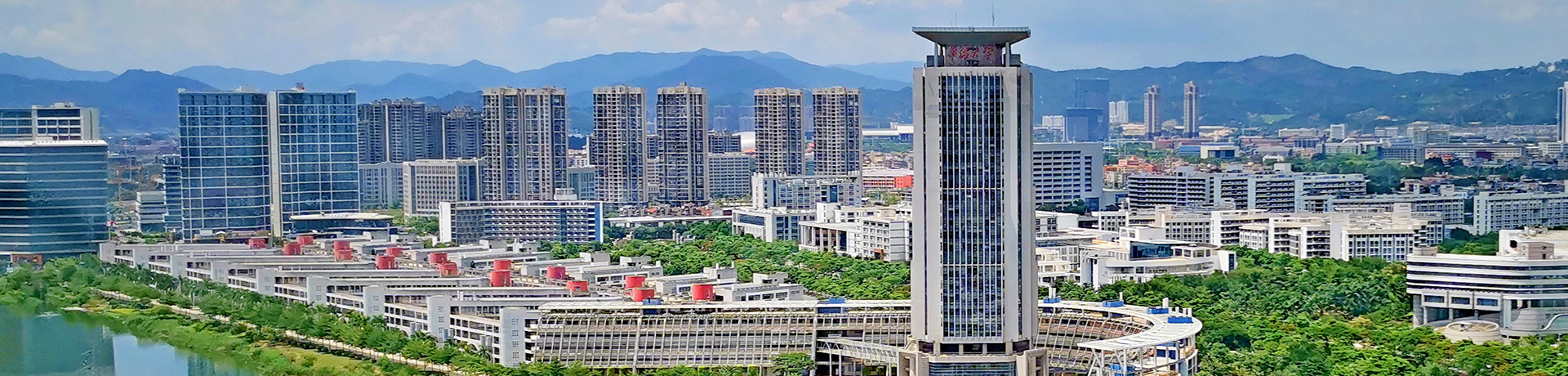
6月11日,华侨大学华侨华人与区域国别研究院揭牌仪式暨“百年大变局下的华侨华人与区域国别研究”学术研讨会在厦门校区举行。九十二岁的香港大学原校长、澳大利亚国立大学荣休教授、新加坡国立大学特级教授、新加坡国立大学东亚研究所暨东南亚研究院原主席王赓武教授为研究院的成立发来了书面致辞。以下为王赓武教授的致辞全文(中英文对照)。
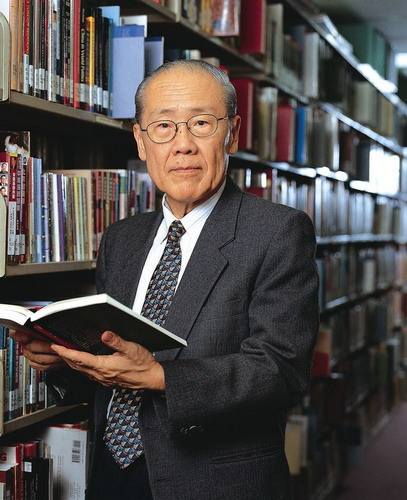
王赓武教授“全球华侨华人”学术研讨会开幕式致辞
感谢大会主办方邀请我参加大会开幕式。华侨华人与区域国别研究院举办本次学术盛会,可谓恰逢其时,热烈祝贺!
华商、华工,以及其他华人移民不断走出国门,走向世界,走遍全球五洲四海。丰硕的研究成果,吸引国际学者纷纷关注华人移民现象的主要成因。1990年,加州大学伯克利分校王灵智(Wang Ling-chi)教授,在该校举办第一届海外华人国际学术研讨会,“世界海外华人研究学会”(International Society for the Study of Chinese overseas, ISSCO,1992)应运而生。此后,华侨华人研究长足发展,硕果累累。长江后浪推前浪,新一代学人的研究已经证明,对于更好地理解全球各地社会,华侨华人是一项非常重要的研究课题。
如今,华侨大学百尺竿头、更进一步,开启华侨华人研究的新征程。当前,世界面临“中国崛起”新格局,海外华人在世界格局中潜在作用的新情况不断涌现,新问题层出不穷。有些问题直指全球范围内财富与权力分配的核心,以致决策者们不禁疑惑,中国与海外华侨华人的联系,是否会因此发生根本性的变化。
问题的答案绝不是简单的。历史研究表明,几个世纪以来,中国海外移民现象是多维度和多层面的。经济动机固然最为突出,但是政治因素也一直是某些华人选择去国不归的考量。十九世纪之前,海外华人移民人数虽然不多,但是,海外华人移民中的成功人士,对住在地国家发展贡献良多;他们居间协助建立与中国的友好关系;双边社会与文化交流,因此不断扩大和深化。
近两个世纪以来,中国和世界各地广大华人移民社区风云变幻,历经沧桑巨变。海外华人与住在地国家之间的关系模式,也发生了重要的改变。源于工业资本主义的大西洋帝国主义,改变了人类的日常生活方式。资本家需要劳动力,海外华人首当其冲。回返中国的海外归侨,不仅在侨乡城镇经济发展中发挥了重要作用,而且积极参与港口城市的工商业活动。
中国政府开始重视海外华人,采取积极措施,让他们了解国家的需求,引导他们支援国家的发展。对于渴望归国的海外华侨,中国政府采取鼓励与引导政策。对于选择定居海外的华侨,中国政府则提供现代教育,鼓励其与国内亲属保持联系,传承中华文化,理解与支持中国走自主发展道路的选择。
今天,攸关中华民族伟大复兴的历史使命,再一次处于历史的关键转折点,全世界都在关注中国往何处去。纵观现代中国历史的发展进程,三个关键转折时期意义重大。第一阶段,是救亡图存的民族主义运动时期。彼时的中国四分五裂、积贫积弱,国家号召海外侨胞团结一致、齐心协力,拯救民族于危亡之中。
第二阶段,是在中国共产党的领导下,中国人民完成国家统一,走上快速发展的工业化道路时期。冷战期间,海外华人因东、西方意识形态对抗而分野,迁徙自由遭受严重制约。同时,这一阶段也是世界反殖民主义、民族独立运动大潮时期,广大海外华人被迫做出选择:或者保留中国国籍,或者加入住在地国家的国籍。这一时期是海外华人与中国关系的调整期,中国共产党正带领中国人民致力于建设新中国,海外华人则积极学习如何融入住在地社会,成为当地国家的好公民。
当前,我们正处于第三阶段。中国选择走市场经济道路,经过四十年高速发展,已经成为世界强国。几百万中国新移民加入海外华裔大家庭,获得了住在地国籍。越来越多的海外华人与国内亲属重新建立了联系,回国投资创业。他们积极拥抱全球化,利用全球化提供的种种便利条件,人尽其才,大展宏图。
当今世界正值百年大变局。在财富与权力的大博弈中,世界各主要国家彼此猜疑,高度不信任。海外华人,也不可避免地被卷入某些国际争议的漩涡中,难以置之度外。事态仍在进行中,海外华人将受到何种影响,很难预测。深入加强研究新形势下的全球华人,正当其时。我祝贺吴小安教授及其同仁勇担重任,并祝福他们万事胜意!
2022年6月4日
Message for “Global Chinese” Conference from Wang Gungwu
Let me begin by congratulating the Research Institute of Global Chinese and Area Studies for organising this timely conference. I also want to add my thanks to them for inviting me to participate at its opening.
For decades, many scholars and observers have noted how Chinese traders, workers and other migrants have been moving to the five continents and to just about every country in the world. Their various studies have drawn attention to the major reasons for that phenomenon and that led to the initiative taken in 1990 by Professor Wang Ling-chi at the University of California Berkeley to organise the first international conference to examine the activities of adventurous Chinese worldwide. The organisation that was formed out of that conference, ISSCO, has stimulated research of increasing richness, and a whole new generation of scholars have emerged to demonstrate that the subject is invaluable for the understanding of global societies.
Huaqiao University has now taken the initiative a step further. As the world faces the rise of China, new questions about the potential role of the Chinese overseas have surfaced. Some of these extend to the global distribution of power and wealth and has led policy makers to ask if the China connection for all Chinese outside China will undergo a fundamental change.
There are no simple answers. As historians have learnt, there are many dimensions to Chinese migrations over the centuries. While economic motives have been the most prominent, there have always been political factors in the decisions made by some Chinese to leave the country and not return. And although the numbers were small before the 19th century, the successful settlers made useful contributions to their countries of adoption and helped to establish good relations with the China they left behind. As a result, social and cultural contacts were extended and even deepened.
That pattern went through changes during the past two centuries as the result of the tumultuous events both in China and in many of the places the Chinese migrants have moved to. The imperialism of the Atlantic powers that came from the power of industrial capitalism had affected the lives of everybody. The capitalists needed their labour and the Chinese overseas were on the frontline of those changes. Those who returned to China influenced the economy not only of their own towns but also of the entrepreneurial activities in the port cities.
The Chinese state came to appreciate what its people overseas could contribute. Efforts were made to keep them informed about what China needed and how they could help the country’s development. Those eager to return were encouraged to do so. Those who chose to stay abroad were provided with modern education and urged to retain their connections with their families, with Chinese cultural values and with China’s determination to chart its national destiny.
Today, it is that sense of destiny that has captured the world’s attention. There were three stages in that process. It began as a nationalist movement that fought to save the country: China was divided, poor and weak and Chinese overseas were called upon to help the country’s survival.
The next stage was when China was reunified under the Chinese Communist Party and the country embarked on the road to rapid industrialisation. Chinese overseas found that they were divided by the ideological Cold War and subjected to severe constraints on their movements. Also, in that age of anti-colonial nationalism, most of them were forced to choose whether to remain Chinese nationals or not. It was a period of adjustment during which China concentrated on the country’s rejuvenation while those overseas learnt how to become foreign nationals.
We are now at the third stage. China opened up to the market economy and, after four decades of rapid development, is now a global power. Several more millions have joined those of Chinese descent living abroad. More Chinese overseas have re-connected with their families in China or established ventures there. They welcome the globalised conditions that enable them to maximise their ability to learn and prosper.
The world is clearly more complex. In the competition for influence and wealth, great distrust has grown between the powers. Chinese overseas cannot avoid being drawn into some of the disputes that have arisen. Events are still unfolding and it is difficult to predict how these Chinese outside China will be affected. This is the right time to intensify our efforts to study them. I congratulate Wu Xiao An and his colleagues for embarking boldly on this important task and wish them all the best.
4th June 2022